
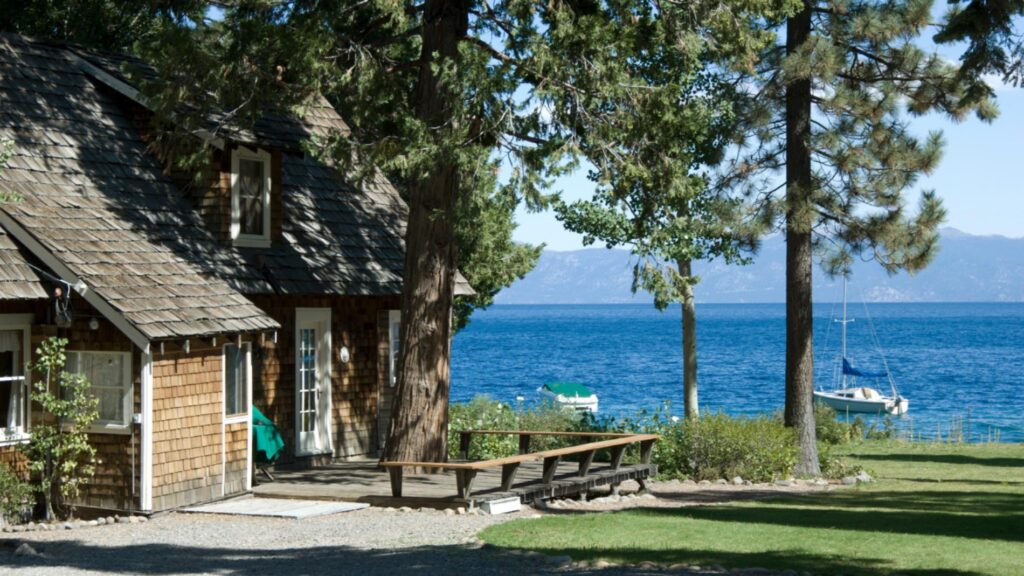
Kitchens in the Lakes Region don’t get used the same way year round homes do. There’s a different rhythm to them. Long weekends, more people in the house, and a steady flow in and out from the lake or the yard. In places like Laconia, Meredith, Wolfeboro, and Moultonborough, the kitchen tends to function as a central space where everything overlaps rather than a quieter, more controlled workspace.
How These Kitchens Actually Get Used
Summer homes tend to operate in bursts. A full house for a few days, then quiet again. During those busy stretches, the kitchen handles more than it normally would. Multiple people cooking at once, food being prepped and served at the same time, and constant movement between inside and outside.
It’s not uncommon for the kitchen to turn into a pass-through space. People coming in with wet hands, drinks being set down quickly, and surfaces getting used without much thought. That kind of use isn’t a problem, but it does change what works well in the space.
Material Choices That Make Sense
Materials in these homes need to be a little more forgiving. Not because they’re lower quality, but because they’re dealing with more variables.
Quartz is a common choice for that reason. It’s consistent and doesn’t require much attention between uses. Granite and quartzite also fit well, especially in homes that lean toward a more natural look. They tend to handle heavier use without feeling overly delicate.
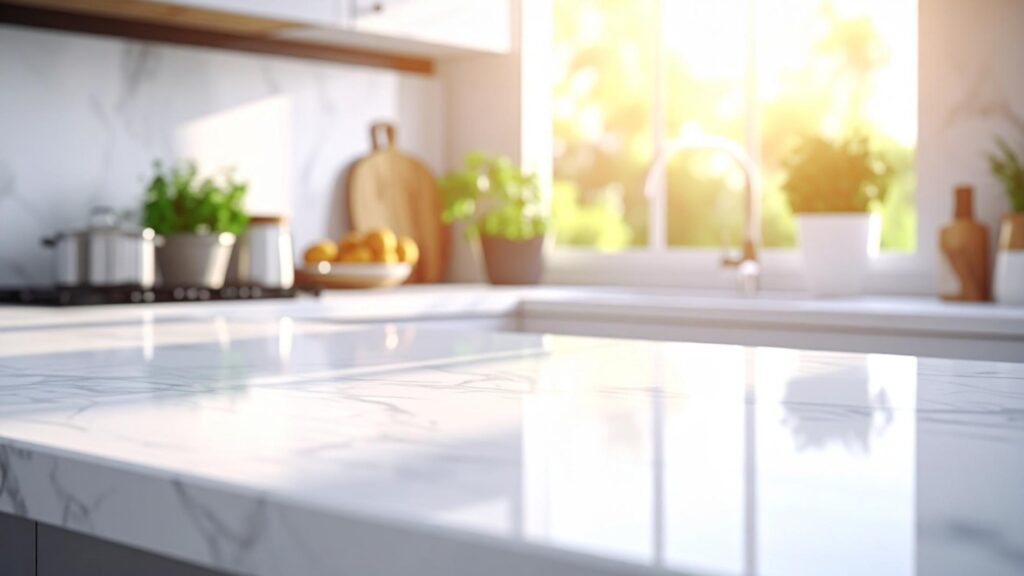
Marble still shows up, but usually in more specific areas. An island, a baking section, or a lower-use surface where it can stand out without taking the full impact of daily use.
Layout Over Material
In a lot of these kitchens, layout ends up mattering more than the material itself.
When the space fills up, tight walkways and limited prep areas become obvious quickly. Islands tend to turn into gathering spots, not just work surfaces, and that changes how the kitchen functions.
Wider paths, clear prep zones, and enough room for multiple people to move around at the same time make a noticeable difference once the house is full. It’s less about maximizing space and more about making it usable under pressure.
Keeping the Look Consistent
There’s a certain feel that shows up across a lot of Lakes Region homes. Lighter tones, natural finishes, and materials that reflect light instead of absorbing it.
That’s partly design preference and partly a response to the setting. These homes are meant to feel open and connected to what’s outside. Heavier finishes can work, but they tend to shift the mood of the space.
Keeping things lighter also helps with wear. When a kitchen is used heavily for short periods of time, subtle wear tends to blend in better than it would on darker or more uniform surfaces.
Maintenance Without Overthinking It
One of the biggest differences in a seasonal home is how it’s maintained.
These kitchens aren’t always cleaned on a strict routine. People are in and out, and the focus isn’t on keeping everything perfect throughout the day. That makes it more important to choose materials and layouts that don’t require constant attention.
Simpler surfaces, fewer grout lines, and finishes that clean up easily tend to make more sense. It’s not about avoiding natural materials, just using them in a way that fits how the home is actually used.
Final Thoughts
Kitchens in New Hampshire’s Lakes Region are built for a different kind of use. They need to handle more people, more movement, and a less structured routine without feeling overdesigned.
When those factors are considered early, the space holds up better through the season and still looks the way it should once things quiet down.




